Chinese
 English
 français
 Deutsch
 italiano
 español
 Nederlands
 日本語
日本語 한국의
한국의




- Como escolher um misturador de pasta de bateria para produção industrial
- Processos de Empilhamento de Baterias versus Enrolamento na Montagem de Células de Bateria
- Um roteiro técnico desde a linha de laboratório de baterias e a linha piloto até soluções de linhas de produção de baterias em escala total
- TOB NEW ENERGY: fornecedor chinês de soluções integradas para baterias, equipamentos e materiais para linhas de produção completas
- Engenheiro sênior da TOB nomeado mentor de pós-graduação da indústria da CSU
Tendências de fabricação de baterias de lítio para 2026: roteiro para atualização de equipamentos
À medida que a indústria global de baterias de lítio entra em 2026, torna-se cada vez mais evidente que a capacidade de produção — e não apenas os avanços eletroquímicos em nível laboratorial — determinará quais tecnologias terão sucesso em larga escala. Na última década, as melhorias no desempenho das baterias de íon-lítio foram impulsionadas principalmente pela inovação em materiais: cátodos com maior teor de níquel, ânodos dopados com silício, eletrólitos aprimorados e aditivos otimizados. No entanto, à medida que os ganhos em densidade energética começam a desacelerar e as pressões relacionadas à segurança, custo e sustentabilidade se intensificam, o centro de gravidade da indústria está mudando.
Do meu ponto de vista como engenheiro de manufatura e integrador de sistemas com mais de 23 anos de experiência, a próxima fase da competição será definida pela arquitetura dos equipamentos, estabilidade do processo e escalabilidade em nível de fábrica. Tecnologias como o processamento de eletrodos secos e baterias de estado sólido são frequentemente discutidas em termos de ciência dos materiais, mas suas verdadeiras barreiras residem na capacidade de fabricação. Sem as devidas atualizações nos equipamentos de produção e no controle de processos, essas tecnologias não podem ir além das demonstrações em escala piloto.Este artigo analisa as tendências tecnológicas para a fabricação de baterias de lítio em 2026, sob a perspectiva da engenharia de equipamentos e processos. O foco está em como as tecnologias de eletrodos secos e baterias de estado sólido estão remodelando os requisitos das linhas de produção, e oferece um roteiro prático para a modernização de equipamentos destinado a fabricantes que planejam suas fábricas de próxima geração.

Por que as atualizações de equipamentos são agora o gargalo crítico
Na produção tradicional de baterias de íon-lítio, a indústria alcançou um equilíbrio relativamente maduro entre materiais, parâmetros de processo e confiabilidade dos equipamentos. Os processos convencionais de fabricação de eletrodos por via úmida, o enchimento com eletrólito líquido e os protocolos de formação são bem compreendidos, e a otimização do rendimento segue metodologias estabelecidas.
No entanto, as novas tecnologias de baterias perturbam esse equilíbrio de três maneiras fundamentais:
1. As janelas de processo tornam-se mais estreitas – Novos materiais e estruturas são menos tolerantes à variação.
2. Equipamentos antigos atingem limites físicos – Máquinas projetadas para revestimento à base de pasta ou eletrólitos líquidos não podem ser facilmente adaptadas.
3. Os riscos de ampliação de escala aumentam exponencialmente – o sucesso em laboratório não se traduz linearmente em produção em massa.
Consequentemente, o projeto do equipamento deixou de ser uma consideração posterior à fase de desenvolvimento. Ele deve ser desenvolvido em conjunto com a própria tecnologia da bateria, principalmente para sistemas de eletrodos secos e de estado sólido.
Tecnologia de eletrodos secos: redefinindo os equipamentos de fabricação de eletrodos
1. Da aplicação de pasta protetora à formação de filmes em estado sólido
A tecnologia de eletrodos secos elimina solventes e a mistura de pastas, substituindo-os por processos de compactação, fibrilação e formação de filmes à base de pó. Embora essa abordagem ofereça vantagens claras — menor consumo de energia, menor impacto ambiental e ciclos de produção mais curtos — ela altera fundamentalmente os requisitos de equipamento.
As linhas de revestimento tradicionais dependem de: - Sistemas de mistura de pasta - Revestidores de fenda ou vírgula - Longas estufas de secagem - Unidades de recuperação de solventes
Em contraste, as linhas de eletrodos secos exigem: - Sistemas de alimentação de pó de alta precisão - Mecanismos controlados de fibrilação ou ativação de aglutinante - Equipamentos de calandragem de alta pressão e densificação de filmes - Monitoramento em linha da espessura e densidade
2. Novos Desafios de Equipamentos
Do ponto de vista da engenharia, o processamento de eletrodos secos apresenta diversos desafios complexos:
• Controle da uniformidade do pó: Ao contrário dos líquidos, os pós apresentam segregação, aglomeração e instabilidade de fluxo.
• Gestão de tensões mecânicas: A compactação excessiva pode danificar materiais ativos ou redes condutoras.
• Repetibilidade do processo: Pequenas variações de pressão ou temperatura podem levar a grandes desvios de desempenho.
Na TOB New Energy, nossas equipes de engenharia observaram que muitas das primeiras linhas piloto de eletrodos secos falham não por causa da química do material, mas porque o equipamento não possui resolução suficiente no controle do processo.
Baterias de estado sólido: os equipamentos devem permitir interfaces, não apenas montagem.
1. A realidade da fabricação de células de estado sólido
As baterias de estado sólido prometem maior segurança e densidade de energia potencialmente mais alta, mas também impõem exigências sem precedentes aos equipamentos de fabricação. Ao contrário dos sistemas com eletrólito líquido, as células de estado sólido são sistemas dominados pela interface. A qualidade do contato entre o eletrólito sólido e os eletrodos determina a condutividade iônica, a vida útil e a confiabilidade.
Isso altera a função do equipamento, passando de simples montagem para engenharia de interface.
2. Requisitos Essenciais de Equipamentos para a Produção de Sistemas de Estado Sólido
A fabricação de baterias de estado sólido requer equipamentos capazes de:
• Empilhamento e alinhamento de camadas de alta precisão
• Aplicação de pressão uniforme durante a laminação
• Manuseio em atmosfera controlada para materiais sensíveis à umidade
• Processos de densificação e sinterização com baixo dano (quando aplicável)
Muitas máquinas de montagem de íon-lítio existentes não conseguem atender a esses requisitos sem uma reformulação substancial. Por exemplo, os equipamentos de laminação padrão podem não apresentar a uniformidade de pressão ou o controle de feedback necessários para as camadas de eletrólito sólido.
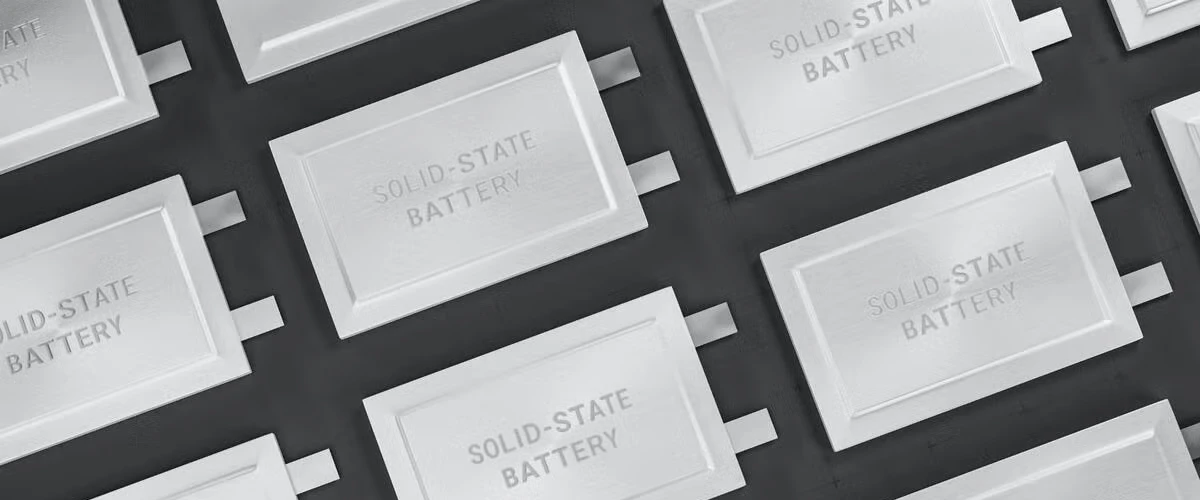
Processos de fabricação tradicionais versus processos de fabricação de nova geração
A tabela a seguir resume as principais diferenças entre a fabricação convencional de baterias de íon-lítio e os processos emergentes de eletrodo seco e de estado sólido, do ponto de vista dos equipamentos.
|
Dimensão |
Processo tradicional de íon-lítio |
Processo de eletrodo seco |
Processo de bateria de estado sólido |
|
Preparação do eletrodo |
Mistura de pasta + revestimento úmido |
Formação de filme à base de pó |
Formação de camada sólida ou composta |
|
Requisitos de secagem |
Longos fornos de secagem de solventes |
Secagem sem solvente |
Secagem limitada ou inexistente |
|
Gargalo principal de equipamentos |
Uniformidade do revestimento, eficiência de secagem |
Manuseio de pó, controle de calandragem |
Pressão e alinhamento da interface |
|
Sensibilidade do processo |
Moderado |
Alto |
Muito alto |
|
Nível de personalização do equipamento |
Baixo a médio |
Alto |
Muito alto |
|
Dificuldade de Aumento de Escala |
Relativamente maduro |
Médio-alto |
Alto |
Essa comparação destaca um ponto crucial: as novas tecnologias de baterias exigem equipamentos desproporcionalmente mais sofisticados, mesmo quando as etapas gerais do processo parecem mais simples.
Plano de atualização de equipamentos para 2026–2028
Com base em nossos projetos internos e colaborações com clientes, a TOB New Energy recomenda uma estratégia de atualização de equipamentos em fases, em vez de uma substituição abrupta da tecnologia.
Fase 1: Linhas Híbridas e Atualizações Modulares
Os fabricantes devem começar com linhas de produção híbridas que mantenham processos downstream comprovados (montagem, formação, envelhecimento), enquanto atualizam seletivamente os equipamentos upstream, tais como:
• Módulos piloto de eletrodo seco
• Sistemas avançados de calandragem com controle em circuito fechado
• Metrologia aprimorada e inspeção em linha
Essa abordagem reduz o risco de capital, ao mesmo tempo que permite que as equipes acumulem dados de processo.
Fase 2: Linhas piloto dedicadas
Após a comprovação da estabilidade do processo, linhas piloto dedicadas devem ser implantadas com:
• Equipamentos totalmente personalizados para fabricação de eletrodos
• Sistemas de laminação e empilhamento compatíveis com estado sólido
• Controle ambiental ampliado (umidade, níveis de partículas)
Nessa etapa, o foco muda da viabilidade para a otimização do rendimento e a reprodutibilidade.
Fase 3: Engenharia da Linha de Produção em Massa
Para uma implementação em larga escala, o projeto do equipamento deve priorizar:
• Estabilidade mecânica a longo prazo
• Facilidade de manutenção e padronização de peças de reposição
• Integração com sistemas MES e de rastreabilidade da qualidade
Em nossa experiência, muitas falhas na ampliação de escala ocorrem porque os equipamentos da linha piloto são copiados diretamente para a produção em massa sem serem redesenhados para operação contínua.
Análise de especialistas: a visão dos engenheiros da TOB sobre a capacidade futura.
De acordo com projeções internas da equipe de engenharia da TOB New Energy, até 2030, mais de 30% da nova capacidade de produção de baterias de lítio incorporará arquiteturas de equipamentos compatíveis com eletrodos secos ou de estado sólido.
No entanto, isso não implica uma substituição imediata das linhas convencionais. Em vez disso, esperamos um período prolongado de coexistência, no qual os processos úmidos tradicionais dominem as aplicações de alto volume, enquanto as tecnologias avançadas habilitadas por equipamentos atendam aos mercados de alto desempenho, de segurança crítica ou orientados para a sustentabilidade.
Nossos engenheiros também preveem que os fornecedores de equipamentos capazes de personalização, iteração rápida e integração entre tecnologias desempenharão um papel decisivo para viabilizar essa transição.
Conclusão: Capacidade de produção como vantagem estratégica
Olhando para além de 2026, torna-se evidente que a indústria de baterias de lítio está entrando em uma era impulsionada pela manufatura. Eletrodo seco e tecnologias de estado sólido O sucesso não dependerá apenas da inovação em materiais. Ele depende da capacidade dos sistemas de equipamentos em proporcionar estabilidade de processo, escalabilidade e viabilidade econômica.
Para os fabricantes de baterias, a principal questão estratégica não é mais "Qual química é a melhor?", mas sim "Qual tecnologia podemos fabricar de forma confiável em larga escala?". A resposta a essa pergunta será moldada pelas decisões de atualização de equipamentos tomadas hoje.
No TOB Nova Energia Acreditamos que conhecimento profundo em engenharia, capacidade de personalização e experiência prática em fábrica são essenciais para navegar nessa transição. Ao alinhar a ambição tecnológica com a realidade da manufatura, o setor pode passar de conceitos promissores para soluções sustentáveis de armazenamento de energia em larga escala.
 assine-nos